Where AI automation pays off
- Customer queries. Assistants that answer the questions your team answers every day, with a clean hand-off to a person or WhatsApp when needed.
- Documents and data entry. Extracting fields from invoices, orders and forms into your system instead of retyping them.
- Content and research. Tools like the YouTube SEO content generator, which turns a keyword into SEO analysis, competitor videos and content ideas using Gemini.
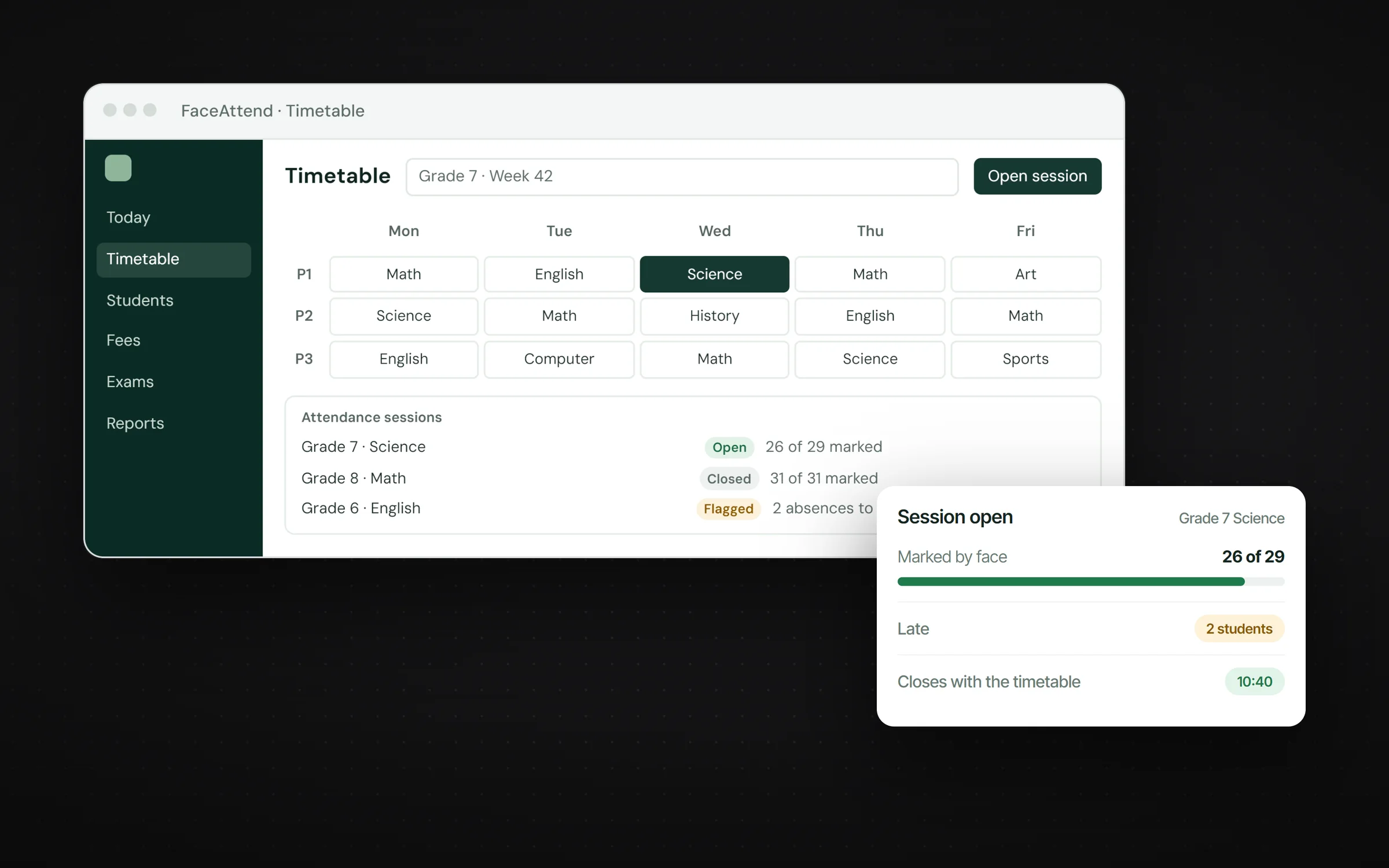
- Computer vision. Face recognition for attendance, as in FaceAttend, where sessions open and close with the timetable.
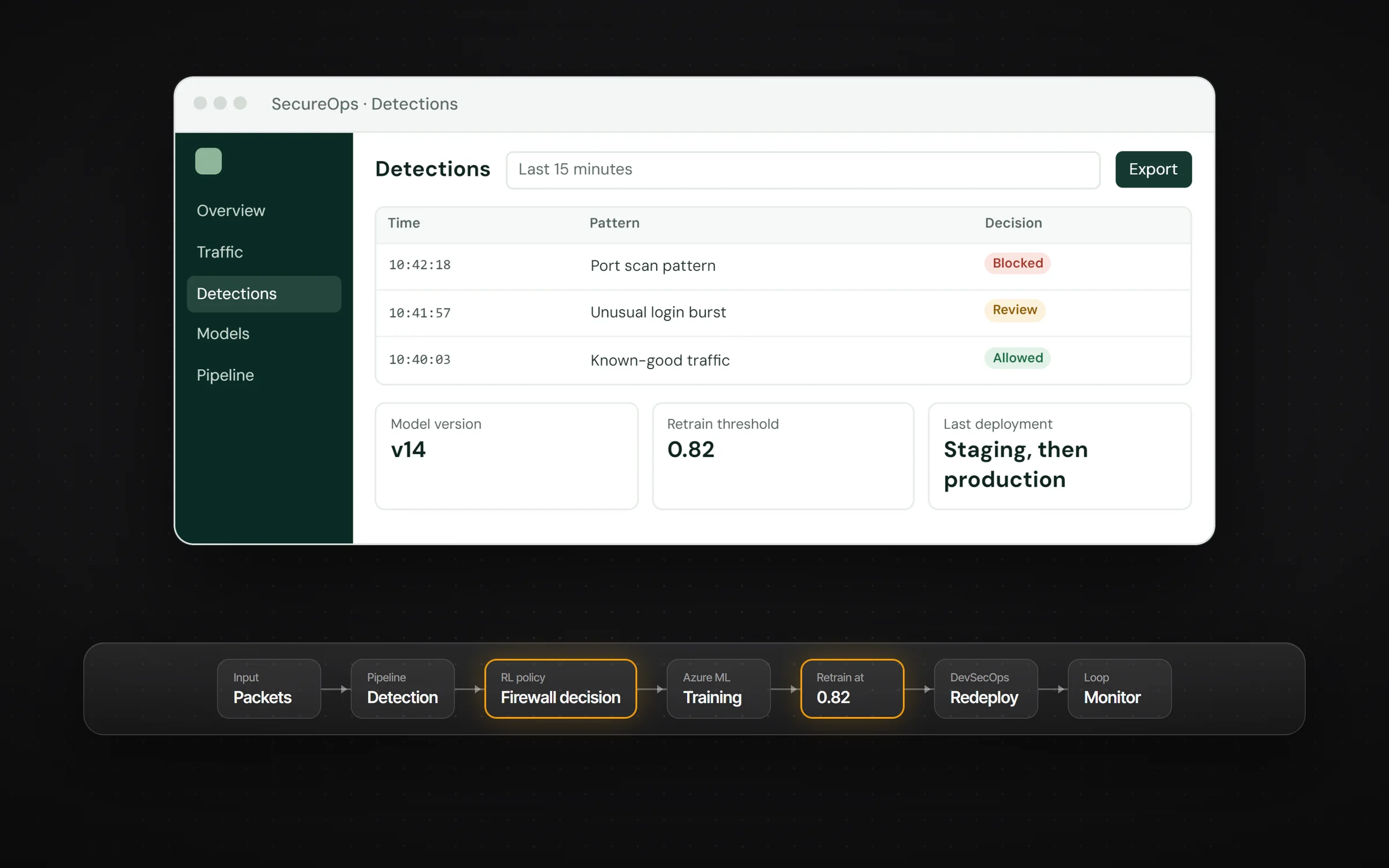
- Operations alerts. Rules and models that flag what needs attention: low stock, late attendance, suspicious traffic.
How I approach it
- Map the workflow and find the steps that are repetitive and checkable.
- Start with the smallest automation that saves real hours.
- Measure it, keep a person in the loop for exceptions, then expand.
I wrote about five e-commerce workflows worth automating first.
What you get
- A shortlist of workflows ranked by hours saved, cost of mistakes and how easy results are to check.
- A first automation connected to your real data, with a review queue for anything uncertain.
- Logs of every automated action, so you can audit and improve it.
- A cost and privacy plan: which data goes to which model, and what it costs per month.
- A measure of success agreed upfront, checked after the first month.