Xheikh Talha
Contact me

Machine learning

Machine learning and computer vision, built into real products

A model is only useful inside a product people rely on. My machine learning work sits inside complete systems: attendance that runs from a timetable, song recognition from a few seconds of audio, and security decisions that keep learning.

What I have built

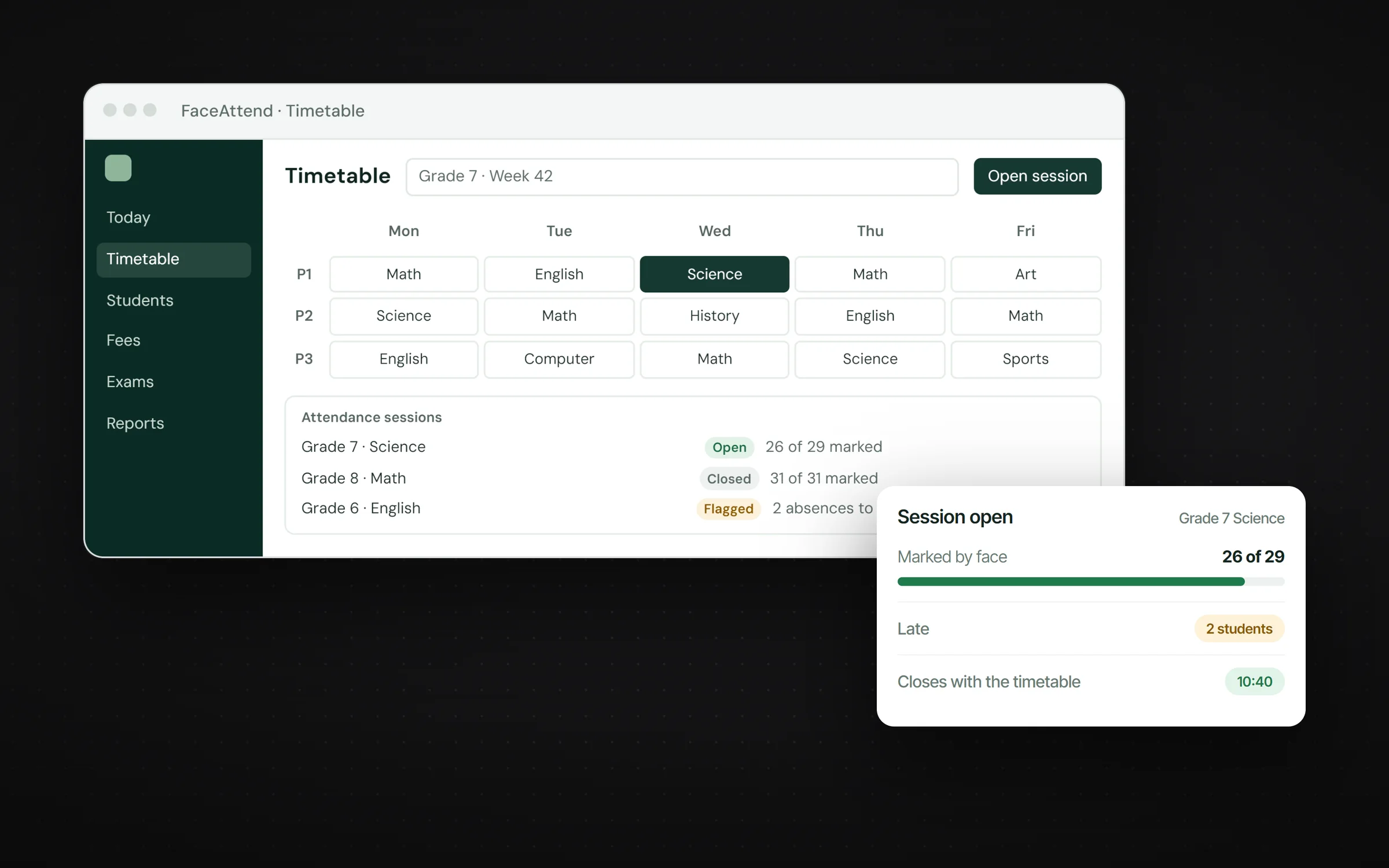
  • Face recognition. FaceAttend uses InsightFace ArcFace embeddings (512 dimensions) with YuNet face detection, multiple embeddings per student and a configurable similarity threshold. Read how it works.
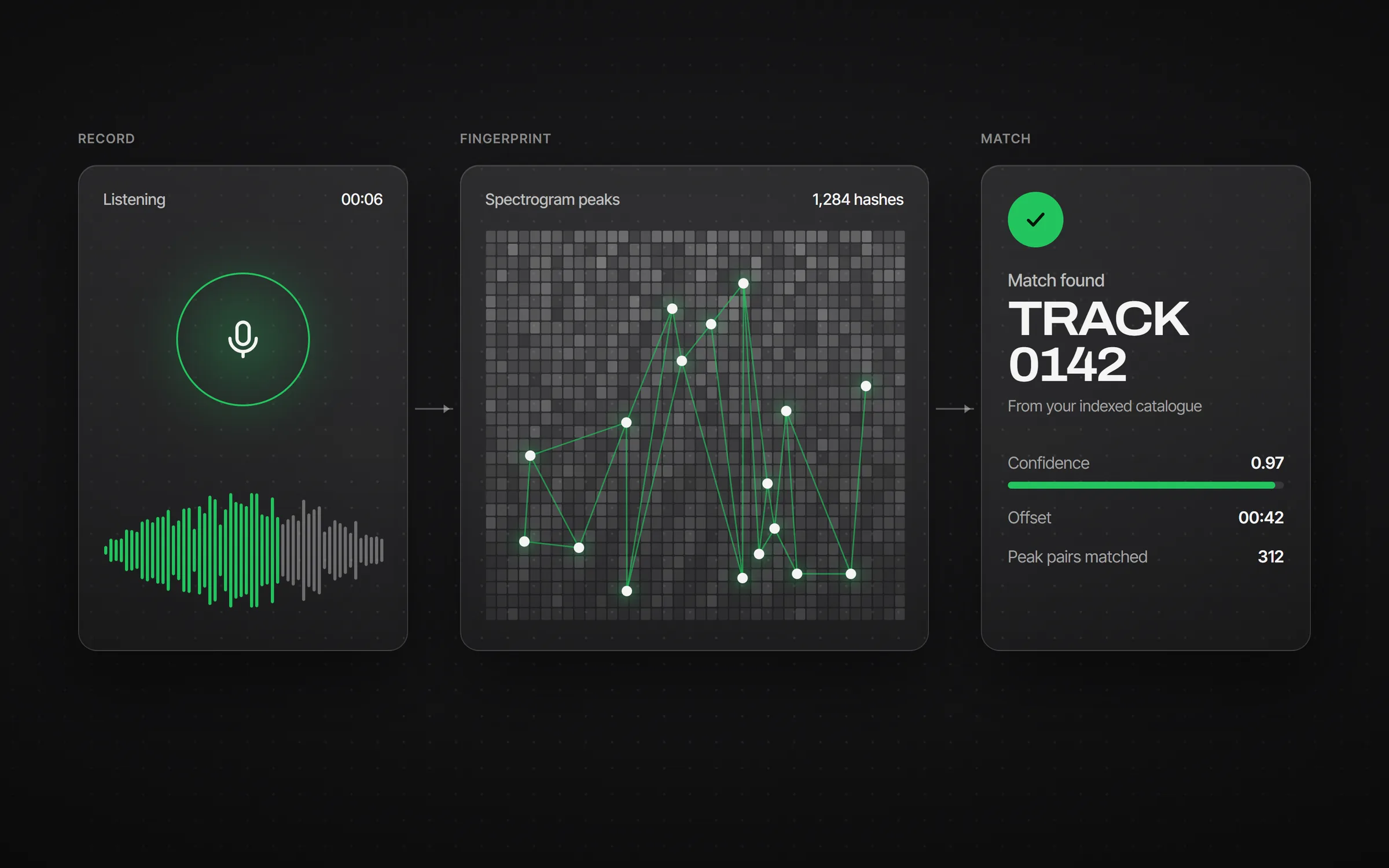
  • Audio fingerprinting. SoundFind builds spectrogram peak constellations, hashes peak pairs and matches them against your own catalogue in a FastAPI service. Read how audio fingerprinting works.
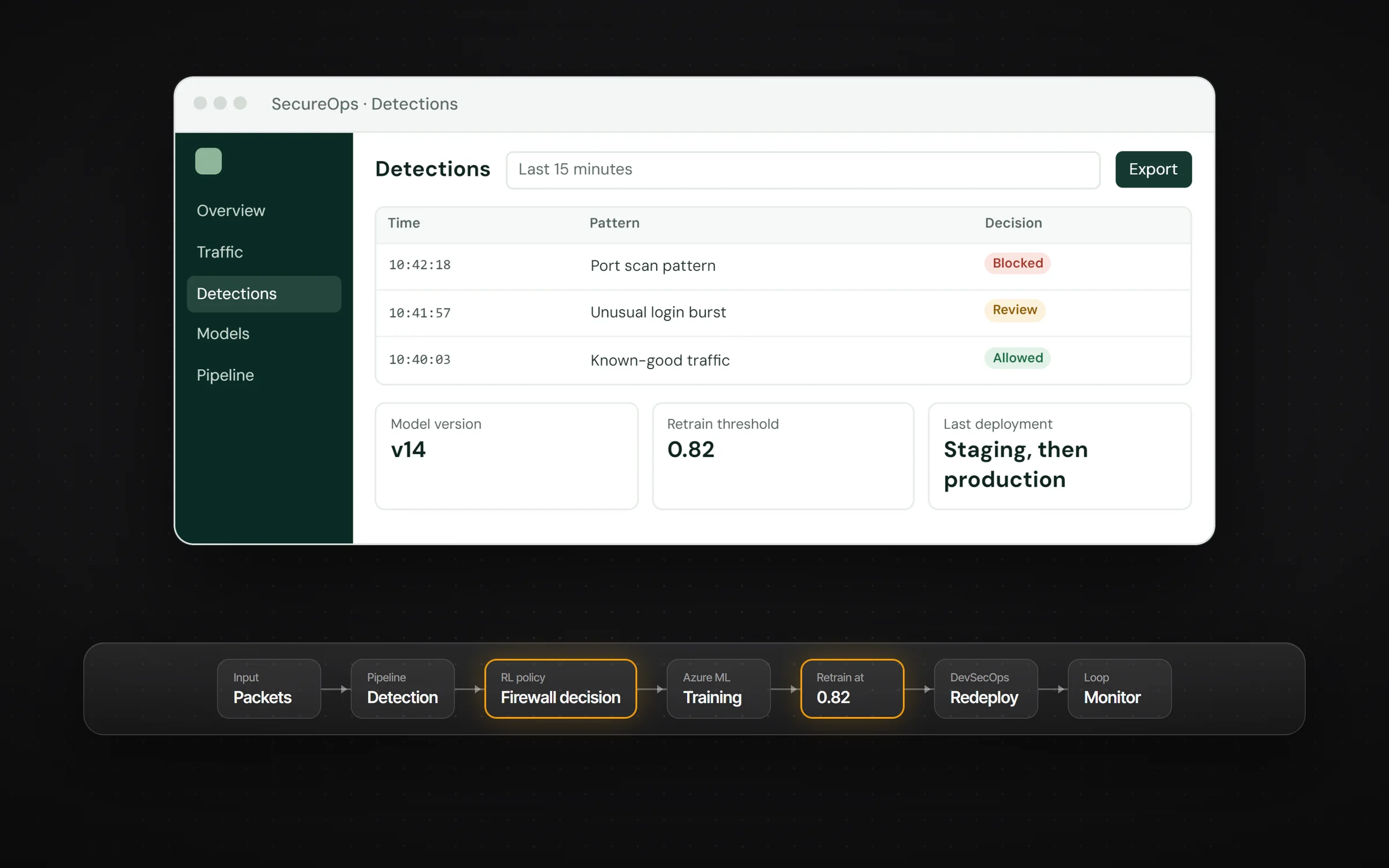
  • Reinforcement learning. SecureOps uses reinforcement-learning firewall decisions with a retraining threshold on Azure ML.
  • Parallel computing research. A replication of the OMP4Py paper with FFT, Jacobi, LU decomposition and molecular dynamics benchmarks.

How I work on ML projects

  1. Define the decision the model supports and how you will know it is right.
  2. Build the simplest pipeline that works end to end, then improve accuracy.
  3. Put monitoring and retraining in place before calling it done.

What you get

  • A clear definition of the decision the model supports and how accuracy will be judged.
  • An end-to-end pipeline first, then accuracy improvements measured on held-out data.
  • A threshold tuned to the real cost of false matches and missed ones.
  • The model wrapped in a service your product can call, with monitoring around it.
  • A plan for retraining or re-enrolment as data changes.

Work in this area

FaceAttend

Timetable-led facial attendance inside a wider school management platform: sessions open and close with the class schedule, and exceptions reach the right people.

Read the case study: FaceAttend

SoundFind

A local-first, Shazam-style web app. Record 5 to 8 seconds of any song and identify it from your own indexed music catalogue using audio fingerprinting.

Read the case study: SoundFind

SecureOps

A network detection and security-decision pipeline with reinforcement-learning firewall logic, connected to an Azure ML training, retraining and redeployment lifecycle.

Read the case study: SecureOps

OMP4Py replication

Replicated the paper “OMP4Py: a pure Python implementation of OpenMP” with FFT, Jacobi, LU, molecular dynamics, π, graph clustering and word count, plus scalability and GIL analysis.

Read the case study: OMP4Py replication
Questions

Do I need a lot of data to start?

Not always. Face recognition and audio fingerprinting work with pre-trained models or classic signal processing, so the data you need is your own catalogue or enrolment photos.

How do you measure a model's accuracy?

Against a held-out set that looks like real use, with the threshold tuned to the cost of a false match versus a missed one.

Can the model run on our own servers?

Yes. Models can run on your infrastructure or a managed service, depending on privacy and cost.

Have a process that's slowing you down? Let's talk about it.

Tell me about the workflow and the problem behind it. The first call is free, and you get a written scope before anything is built.