What I build
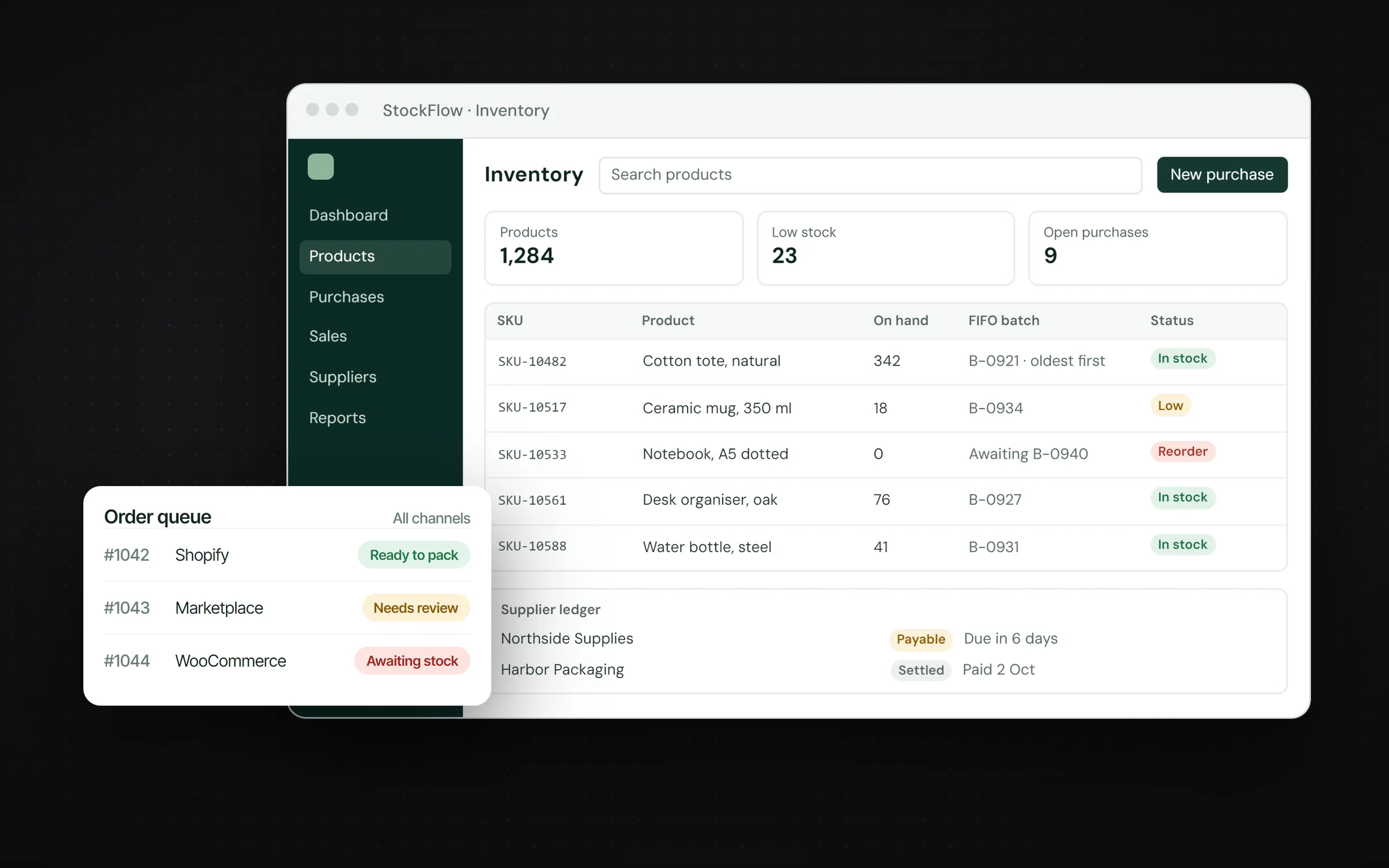
- Inventory and order management. One system for products, purchases, sales and returns, with stock that updates the moment an order is placed. StockFlow, a system I delivered through SaleForgers, uses FIFO batches and connected supplier and customer ledgers.
- Multi-channel operations. A single order queue for Shopify, WooCommerce and marketplaces, so the team packs and ships from one place instead of four tabs.
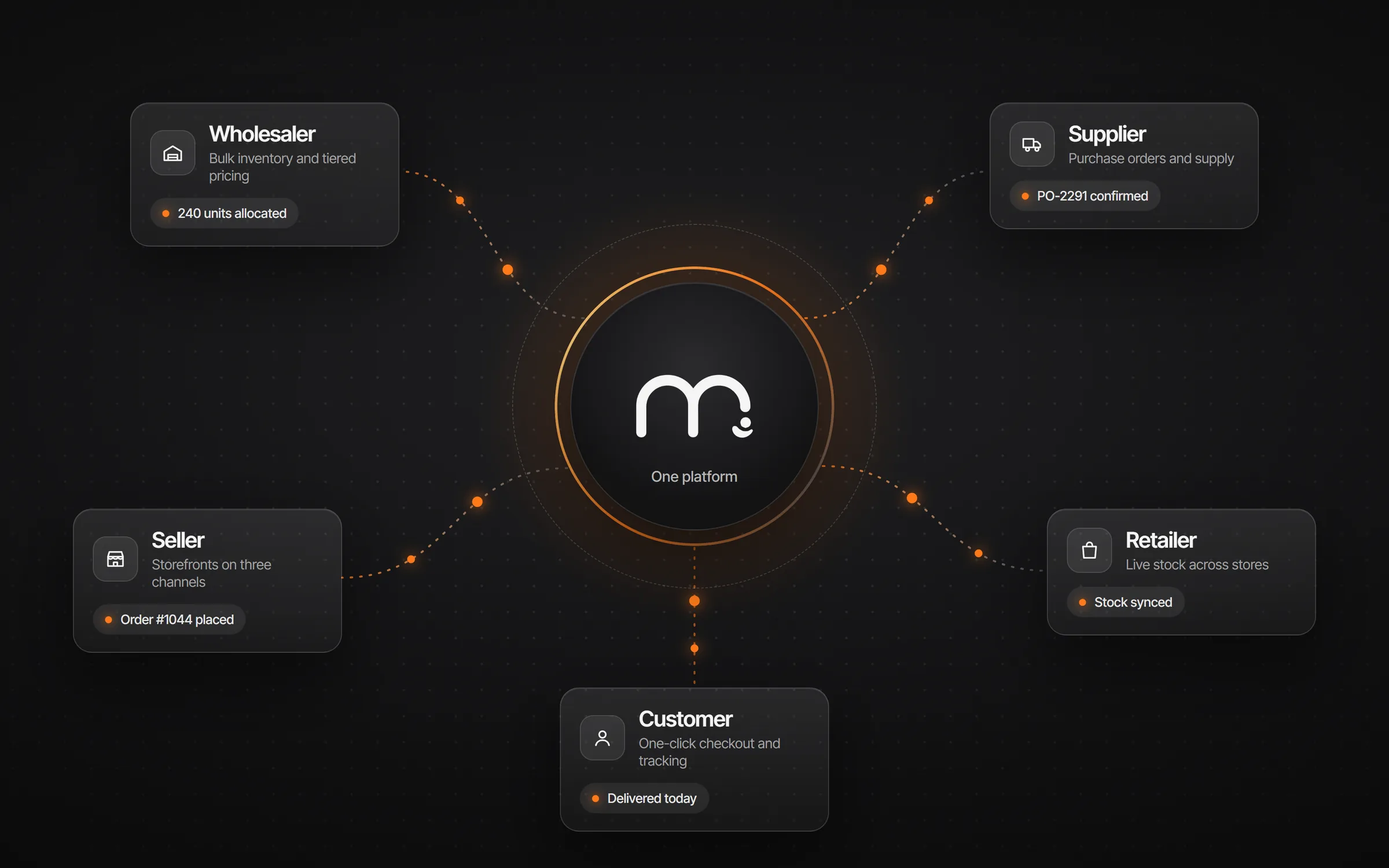
- Multi-vendor platforms. Mapalz, the company I founded, connects wholesalers, sellers, retailers, suppliers and customers on one platform with shared catalogues, live stock and settlements.
- Storefront themes and stores. Custom themes and store setups, such as a BigCommerce Stencil theme built on Cornerstone.
- Reporting. Dashboards that answer the questions you ask every week: what is selling, what is running low and what is owed.
How a project runs
I start with a free call about how your orders, stock and payments move today. You get a written scope before anything is built, so you know what will exist, what it will cost and what it will replace. Then the system is designed around your workflow, built in short cycles and deployed through an automated pipeline, with support agreed as part of the engagement.
Who this is for
E-commerce brands and wholesalers that have outgrown spreadsheets and disconnected apps, especially teams selling on more than one channel or managing stock across warehouses and stores.
What you get
- A written map of how orders, stock and money move today, and how they will move after.
- One inventory and order system your channels sync to, with roles for the people who pack, buy and approve.
- Supplier and customer ledgers connected to purchases and sales, so balances never live in a separate sheet.
- Dashboards for sales, stock levels, stock age and what is owed.
- Automated deployments and a handover, so the team can rely on it from day one.